general
What Happens Inside a Medical Assistant Class? Real Skills You Learn Week by Week
Explore medical assistant classes in Dallas, GA and Atlanta. Learn real clinical skills week by week, including phlebotomy, EKG, and patient care.
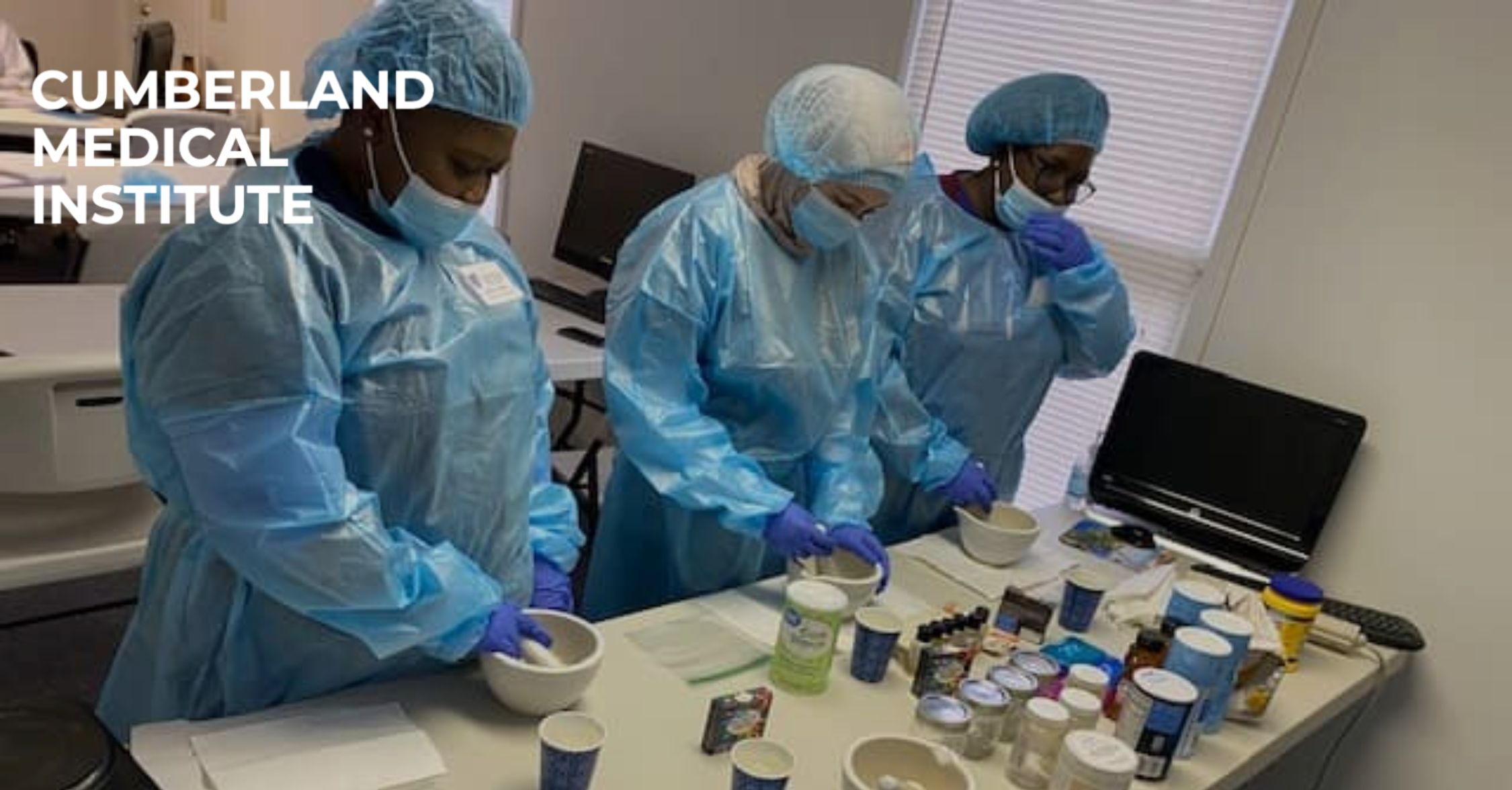
Most people have no idea what actually goes on inside a medical assistant class. They picture rows of students copying notes from a whiteboard, but the reality is completely different. From the very first week, students are practicing real clinical skills, working with real equipment, and learning how to handle real patient situations.
Medical Assistant Classes in Dallas, GA are structured to get you job-ready fast, not just textbook-ready. If you've been wondering whether this training is worth your time and money, a closer look at what students actually do week by week will answer that question quickly.
Week One: Building the Foundation Before Touching Anything Clinical
The first week sets the stage for everything that follows. Students learn medical terminology, which is basically the language of healthcare. Knowing the difference between "anterior" and "posterior," or understanding what "tachycardia" means, allows you to communicate clearly with doctors, nurses, and other staff from your very first day on the job.
This week also covers healthcare laws, patient privacy rules under HIPAA, and professional standards. These aren't just boring legal checkboxes. They shape how you treat every patient and protect you legally throughout your entire career. Instructors connect every rule to a real workplace situation so students understand why it matters.
Weeks Two and Three: The Human Body Becomes Your Textbook
Once students have the language down, the focus shifts to anatomy and physiology. You learn how body systems work together, what goes wrong when disease or injury strikes, and how medical assistants support diagnosis and treatment.
This section is more engaging than most students expect. Instead of memorizing isolated facts, students study body systems in the context of common conditions they'll actually see in clinics. Learning about the cardiovascular system, for example, connects directly to skills like taking blood pressure and reading EKG results, which come up in later weeks.
Weeks Four Through Six: Hands-On Clinical Skills Begin
This is where medical assistant classes really get into high gear. Students will begin practicing clinical procedures with mannequins and, in some cases, each other under instructor supervision.
Some of the skills taught during this part include taking and recording vital signs, taking body temperature, pulse, breathing rate, and blood pressure. Proper hand washing and infection control techniques will also be taught, and this is one of the most critical safety practices in a clinical setting. These fundamental practices should not be underestimated, especially for someone new to the field.
Phlebotomy: Learning to Draw Blood Without Panic
There is no doubt about it: one of the most stressful parts of medical assistant classes is the first week's phlebotomy, or the drawing of blood from a vein. Students will be taught venipuncture techniques carefully and repeatedly until the procedure feels natural and relaxed.
Medical Assistant Classes in Atlanta and all over Georgia will include phlebotomy, as this is one of the most popular skills that employers request.
Weeks Seven Through Ten: EKG, Injections, and Patient Prep
These weeks add more clinical depth. Students learn how to set up and operate an EKG machine, which records the electrical activity of the heart. Reading basic EKG results and identifying irregularities is a skill that makes a medical assistant genuinely useful in any cardiology or primary care setting.
Injection training also begins during this phase. Students practice intramuscular and subcutaneous injection techniques using simulation tools before ever approaching a real patient. Instructors emphasize both technique and patient communication because nervous patients need reassurance as much as they need correct needle placement.
Administrative Skills Run Parallel the Whole Time
Clinical training gets most of the attention, but administrative skills run alongside it throughout the program. Students learn medical billing basics, appointment scheduling, insurance verification, and how to use electronic health record systems that clinics actually use across Georgia.
This dual training is what sets a certified medical assistant apart from someone who only has clinical exposure. Employers want staff who can move between the exam room and the front desk without missing a beat. The program builds exactly that kind of versatile, workplace-ready professional.
Final Weeks: Pulling Everything Together
In the last part of the program, all of the individual skills are brought together. Students will complete patient scenarios that include a combination of clinical and administrative skills, similar to what a real day in the workplace might be like. Instructors will check on students' readiness, identify what they might be lacking, and help students prepare for national certification exams.
A graduate doesn't just have knowledge, they have skills they have practiced and can repeat many times. And that is what they will demonstrate in their interview or on their job.
About Cumberland Medical Institute
Cumberland Medical Institute offers one of the most practical, career-focused Medical Assistant programs in the region. The school serves students from across Paulding, Cobb, and Douglas counties, as well as those commuting from the greater Atlanta area who want accessible, high-quality healthcare training closer to home.
Class sizes stay small so every student gets real instructor attention, not just a seat in a crowded room. The instructors bring genuine clinical experience into every lesson, which means students learn how things actually work in Georgia healthcare settings, not just how they work in theory.
Stop Wondering and Start Training
Knowing what happens inside a Medical Assistant Classes Atlanta week by week makes the decision a lot easier. This isn't guesswork or vague promises; it's a structured, skill-by-skill program that turns complete beginners into certified, job-ready healthcare professionals in about three and a half months. The skills are real, the demand in Georgia is real, and the career waiting on the other side is real. Take the first step today.
Frequently Asked Questions
Q1. What do Medical Assistant Classes in Dallas, GA actually cover?
A1. Medical Assistant Classes in Dallas, GA, cover clinical skills like phlebotomy, EKG, vital signs, and injections, alongside administrative training in billing, scheduling, and electronic health records. The curriculum is hands-on and structured to prepare students for real clinical workplaces.
Q2. How are Medical Assistant Classes in Atlanta different from online programs?
A2. In-person medical assistant classes provide hands-on lab practice that online programs simply can't replicate. Skills like blood draws, EKG setup, and injection technique require real equipment and instructor supervision to learn correctly and safely.
Q3. How long does a Medical Assistant program in Georgia typically take?
A3. Many programs in Georgia run for approximately 14 weeks. That's enough time to build solid clinical and administrative skills without spending years in school, making it a practical option for working adults and career changers.
Q4. Will I be ready to take a certification exam after completing the classes?
A4. Yes. Programs like those offered at Cumberland Medical Institute prepare students to sit for nationally recognized certification exams upon completion. Certification significantly improves job prospects and starting pay across Georgia healthcare facilities.
Q5. Can I work in Atlanta healthcare facilities after taking medical assistant classes in Dallas, GA?
A5. Absolutely. Georgia certification is recognized statewide. Graduates from medical assistant classes in Dallas, GA, regularly find employment in Atlanta clinics, urgent care centers, specialty practices, and hospital outpatient departments.
Written by
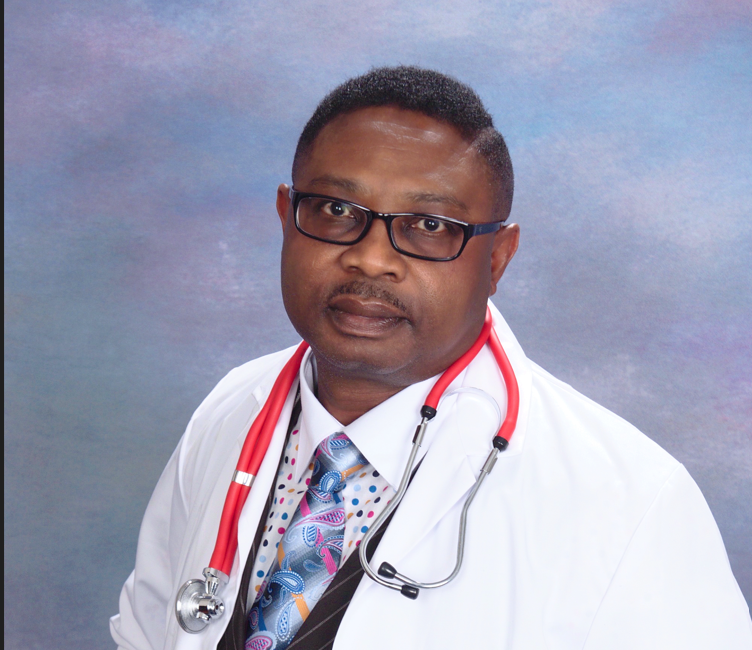
Jonah Odekhiran RNP
Keep reading
More from the blog
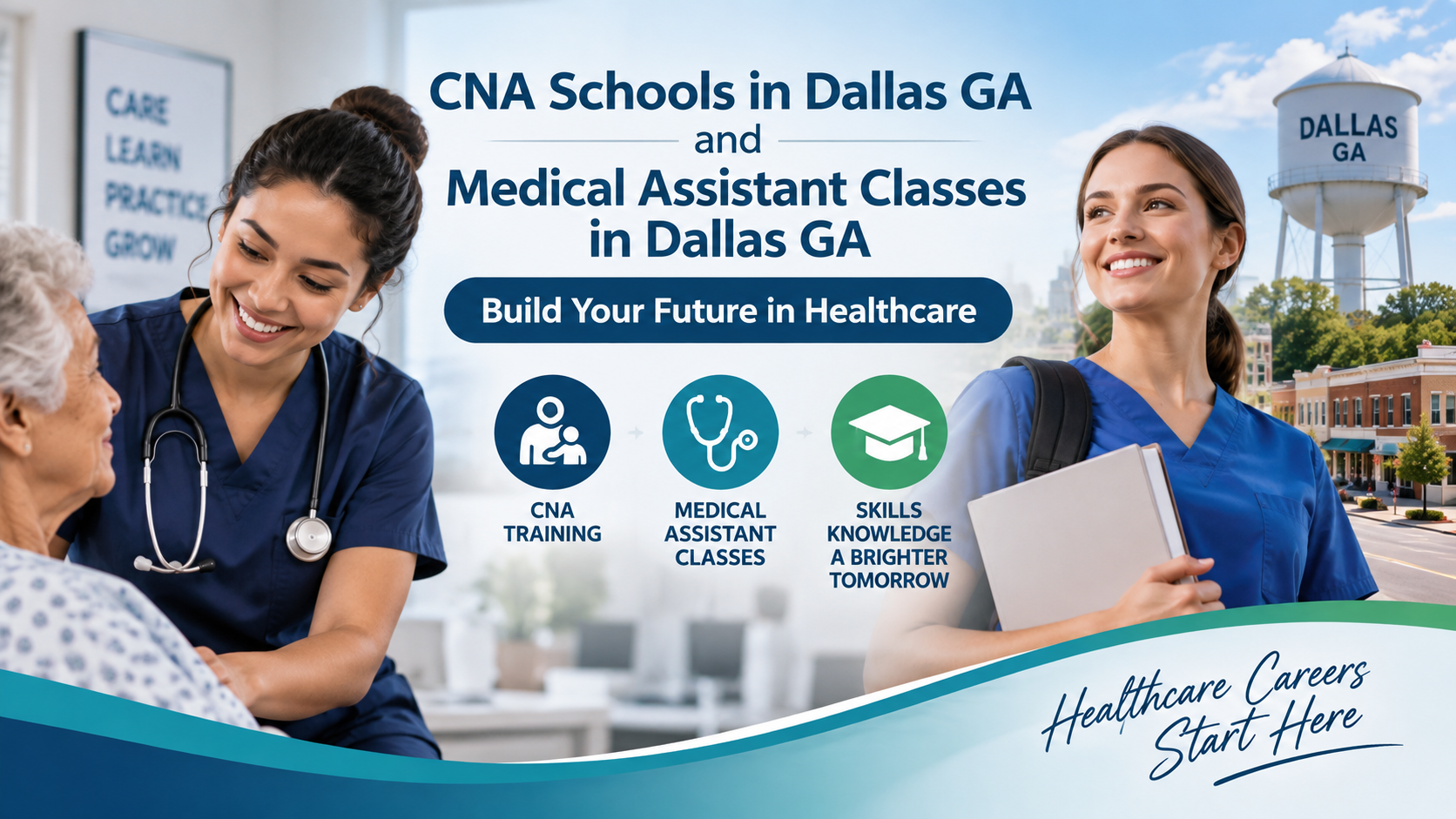
CNA Schools in Dallas GA and Medical Assistant Classes in Dallas GA: Build Your Future in Healthcare
Healthcare professionals play a critical role in supporting patients and improving quality of life. As healthcare services continue to expand, trained professionals are needed in hospitals, clinics, nursing homes, rehabilitation centers, and long-term care facilities.
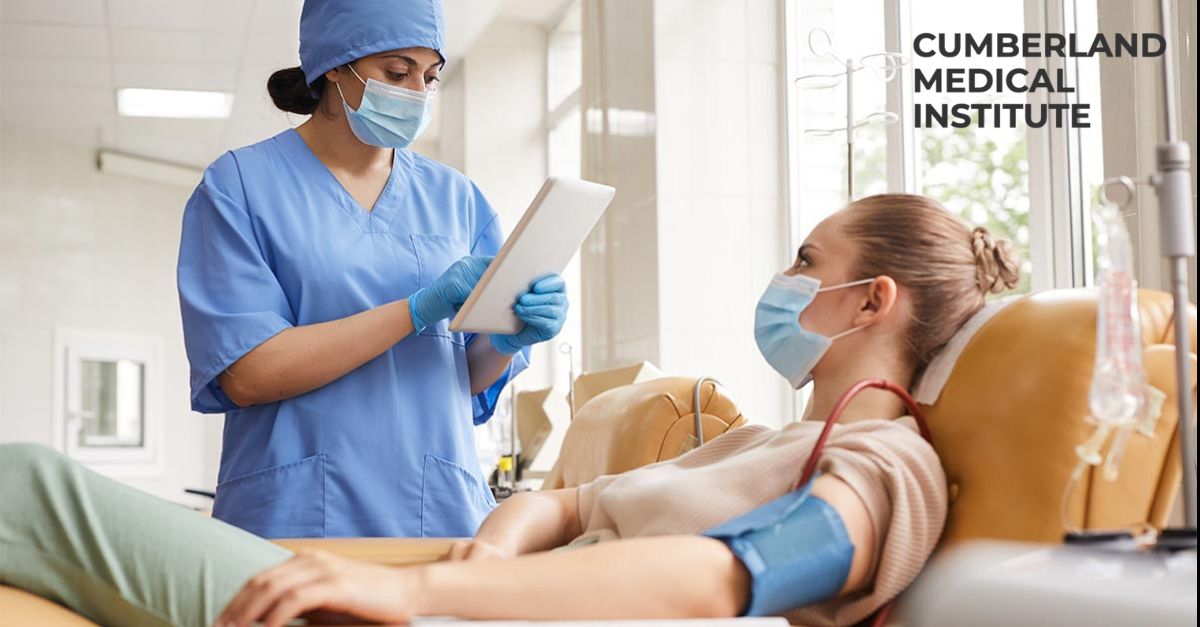
Where Do Phlebotomists Work? More Places Than You Think
Yes, hospitals hire phlebotomists. That part is true. Large medical centers need blood drawn around the clock, so the demand there is constant. But calling hospitals the only option is like saying pizza is the only food.

Where Can a Medical Assistant Career Take You in 5 Years?
Explore the career growth opportunities available after Medical Assistant Training in Atlanta GA. Learn about specializations, certifications, salary growth, and advancement opportunities in healthcare.