general
How MedTechs Prevent Medication Errors: Real Skills That Save Lives
Learn how MedTechs prevent medication errors with real-world skills. Explore Medtech Certification in Georgia and Medical Assistant Certification in Atlanta at Cumberland Medical Institute.
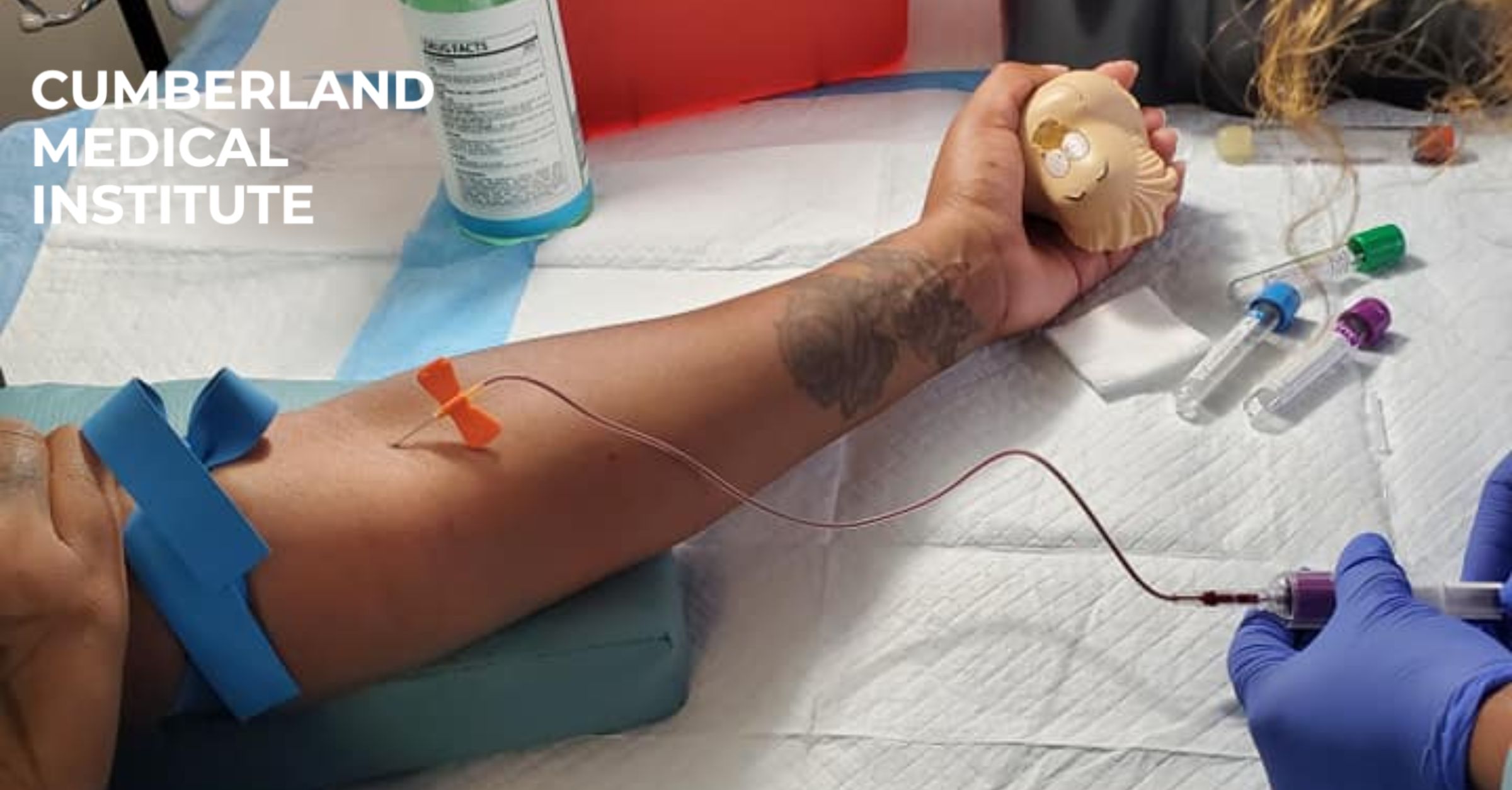
Every year, medication errors harm over 1.5 million people in the United States. That number is staggering, and the scariest part is that most of these errors are preventable. Trained medical professionals who know exactly what to do, and what not to do, make all the difference between a routine day and a medical emergency.
This is where MedTechs come in. Professionals who earn a Medtech Certification in Georgia learn the exact skills that stop these errors before they happen. These aren't just classroom lessons; they're life-saving techniques used in real clinics and care facilities every single day.
What Exactly Is a MedTech and Why Does It Matter?
A MedTech, short for Medical Technician or Medication Aide, is a trained healthcare worker who handles medications safely and supports clinical staff. Their role sits right at the point where errors are most likely to happen, which is exactly why their training has to be thorough and practical.
Medication errors can happen for many reasons: the wrong dose, the wrong patient, the wrong drug, or the wrong time. A well-trained MedTech knows how to catch each one of these mistakes before they reach the patient. That skill set is not something you pick up on the job by accident; it comes from structured, hands-on certification training.
The Core Skills That Stop Medication Errors Cold
The "Five Rights" Are the Foundation
Every MedTech learns the Five Rights of medication administration early in their training: the right patient, right drug, right dose, right route, and right time. Sounds simple, but applying these correctly under real workplace pressure takes real practice and discipline.
Training programs that prepare students for Medtech Certification drill these rights repeatedly, using real-world scenarios so the process becomes second nature. When a MedTech walks into a patient's room, these checks happen automatically, like muscle memory.
Reading Labels and Catching Confusing Drug Names
Some drug names look nearly identical in print. Hydroxyzine and hydralazine, for example, are completely different medications, but their names are easy to mix up when you're moving fast. MedTechs are trained to slow down, read carefully, and verify before administering anything.
Georgia's certification training specifically covers high-alert medications, look-alike and sound-alike drug pairs, and how to use drug references correctly. This kind of knowledge protects patients daily in clinics, nursing homes, and outpatient facilities across the state.
Accurate Dosage Calculation
Math errors in medication dosing can be life-threatening. A decimal point in the wrong place can turn a safe dose into a dangerous one. MedTechs practice dosage calculations repeatedly throughout their training so that errors born from rushing or guessing never make it to a patient.
This is one area where certification training proves its worth. Students don't just memorize formulas; they work through real patient scenarios and learn how to double-check their own work every time.
How Medical Assistant Certification Relates to Medication Safety
Medical Assistant Certification in Atlanta involves learning many more skills, and medication safety is integrated into this process. Medical Assistants work alongside physicians and nursing staff and are, in fact, the last safety check before administering any treatment to the patient.
They check for patient allergies, unusual orders, and updates in medications and communicate this to the staff. These are seemingly mundane tasks, but each and every one of them is critical and acts as a safety net for the patient. If a Medical Assistant overlooks a patient’s allergy note or fails to document medication verification, he or she would inadvertently put the patient in harm’s way.
Documentation: The Unsung Hero in Medication Safety
One of the most neglected skills in preventing medication errors is documentation. Every dose administered, refused, or omitted must be documented promptly and legibly. MedTech students are made aware that incomplete documentation does not just cause confusion but also leads to gaps in patient care.
Georgia certification programs train students to document in real time, use electronic health record systems, and report any errors or near-misses without hesitation. A culture of honest reporting actually saves more lives than trying to cover up small mistakes ever could.
Your Next Step Toward a Career That Literally Saves Lives
Cumberland Medical Institute trains students for exactly this kind of meaningful, skill-based healthcare work. The institute offers Medtech Certification training and Medical Assistant programs built around practical, hands-on learning that prepares graduates for real clinical environments.
The programs fit adult schedules, accept financial assistance for qualifying students, and keep class sizes small so every student gets proper instruction. Cumberland Medical Institute has built its reputation on producing graduates who are genuinely ready to work from day one.
Medication safety isn't a background task in healthcare; it's front and center, and trained MedTechs are the people making it happen. In order to build a healthcare career with real impact, certification training is the fastest, most direct path to get there.
Frequently Asked Questions
Q1. What does Medtech Certification in Georgia involve?
A1. Medtech Certification in Georgia prepares students to safely administer medications, verify orders, calculate doses, and document accurately in long-term care and clinical settings. Training is hands-on and covers both theory and real patient scenarios.
Q2. How does Medical Assistant Certification in Atlanta help prevent medication errors?
A2. Medical Assistant Certification in Atlanta includes training on patient safety protocols, allergy verification, medication reconciliation, and documentation. These skills place Medical Assistants at key checkpoints where errors are most likely to be caught before they cause harm.
Q3. How long does it take to complete Medtech or Medical Assistant training in Georgia?
A3. Program lengths vary, but many focused certification programs in Georgia can be completed in as little as 14 weeks. That's enough time to build solid, job-ready skills without years of traditional schooling.
Q4. Are medication errors really that common in healthcare settings?
A4. Yes, they are more common than most people realize. Studies show that medication errors are among the most frequent causes of patient harm in U.S. healthcare facilities. Proper training is one of the most effective ways to reduce that number significantly.
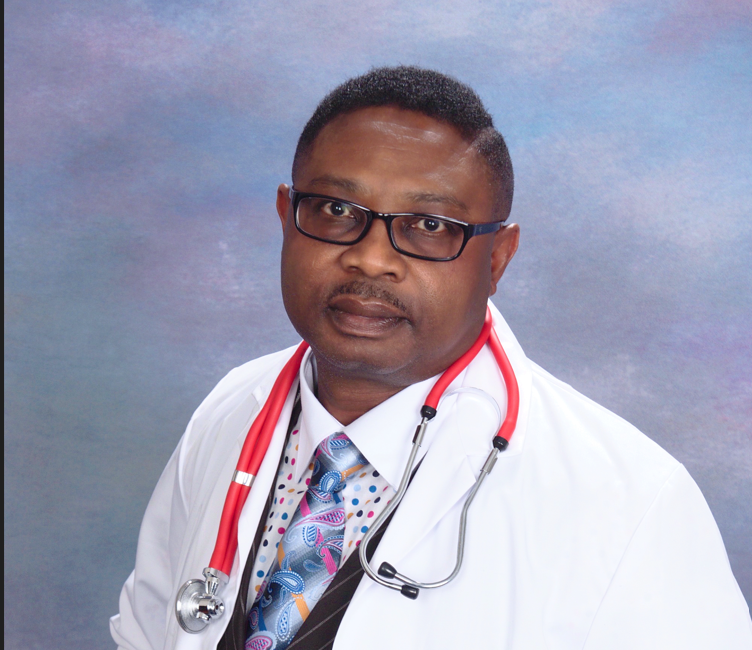
Written by
Jonah Odekhiran RNP
Keep reading
More from the blog
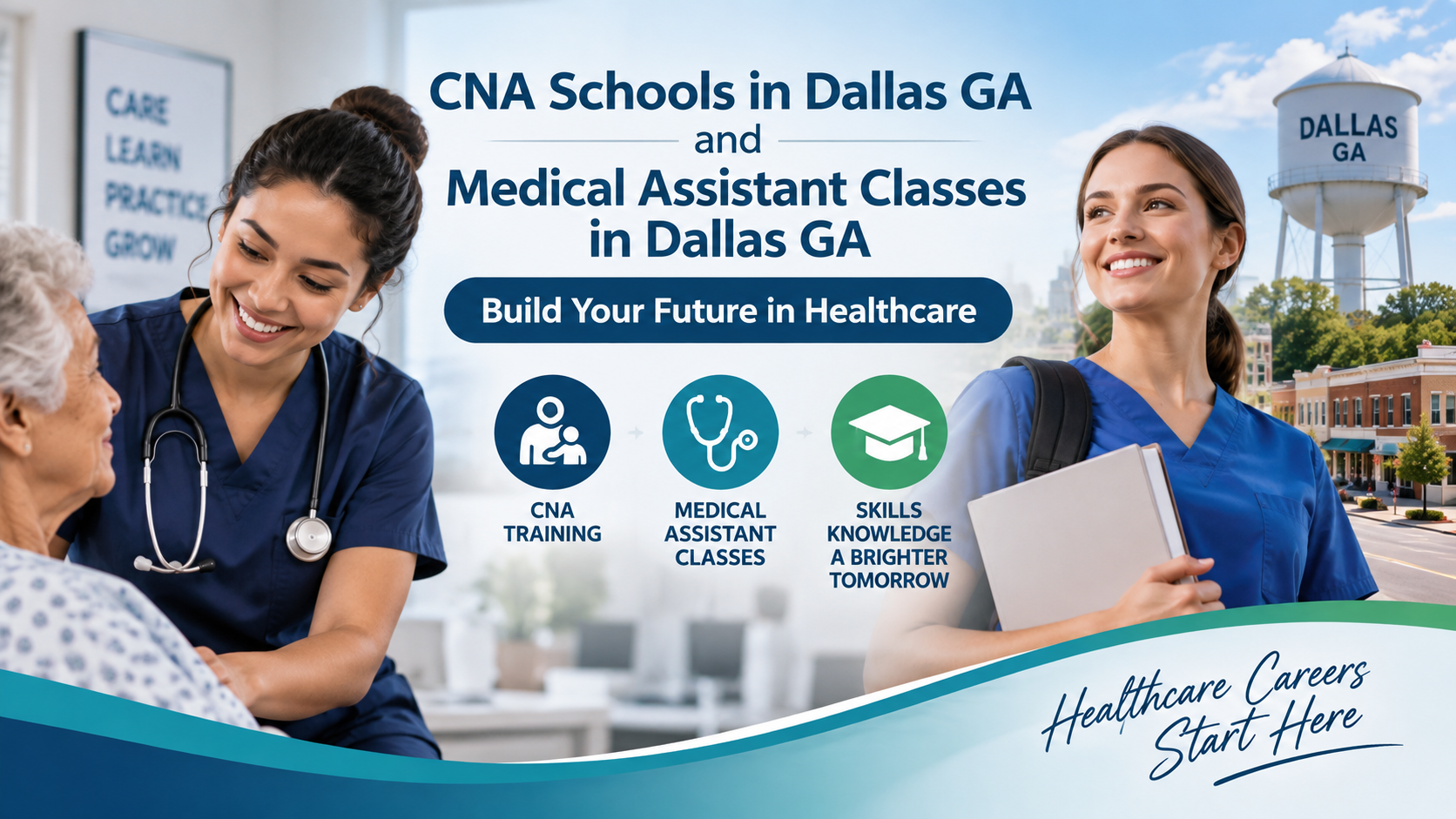
CNA Schools in Dallas GA and Medical Assistant Classes in Dallas GA: Build Your Future in Healthcare
Healthcare professionals play a critical role in supporting patients and improving quality of life. As healthcare services continue to expand, trained professionals are needed in hospitals, clinics, nursing homes, rehabilitation centers, and long-term care facilities.
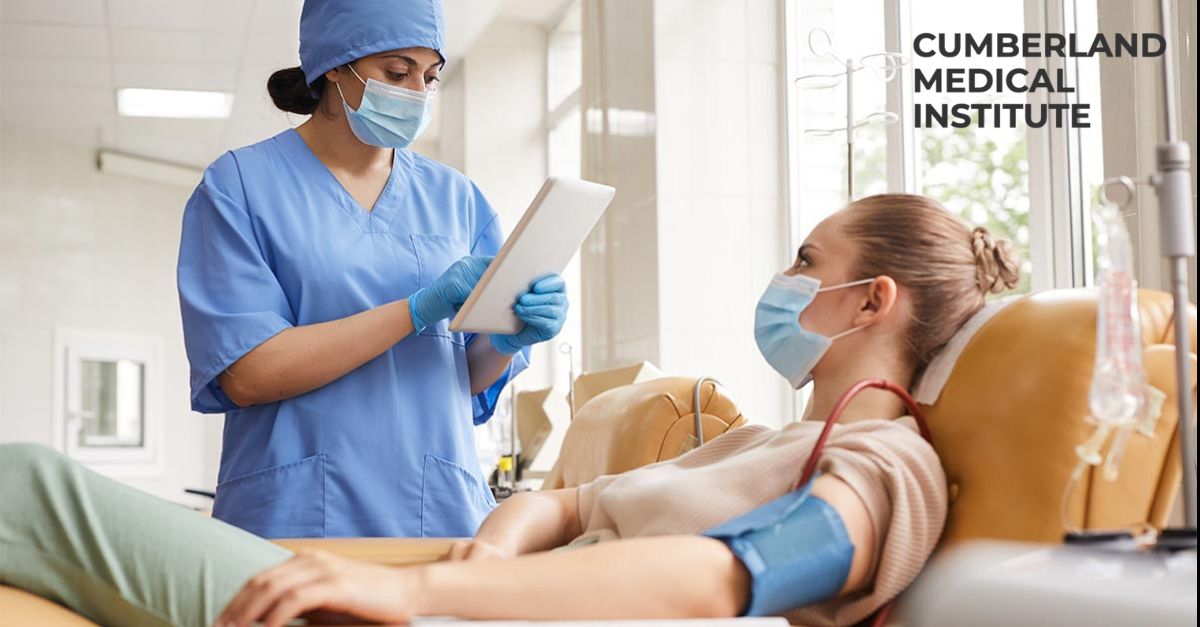
Where Do Phlebotomists Work? More Places Than You Think
Yes, hospitals hire phlebotomists. That part is true. Large medical centers need blood drawn around the clock, so the demand there is constant. But calling hospitals the only option is like saying pizza is the only food.
Where Can a Medical Assistant Career Take You in 5 Years?
Explore the career growth opportunities available after Medical Assistant Training in Atlanta GA. Learn about specializations, certifications, salary growth, and advancement opportunities in healthcare.