general
Day Job + Evening Classes: How This 14-Week Medical Assistant Program Fits Busy Lives
Start a healthcare career with a 14 Week Medical Assistant Program in Georgia. Evening classes, hands-on training, and Certified Medication Aide options available.
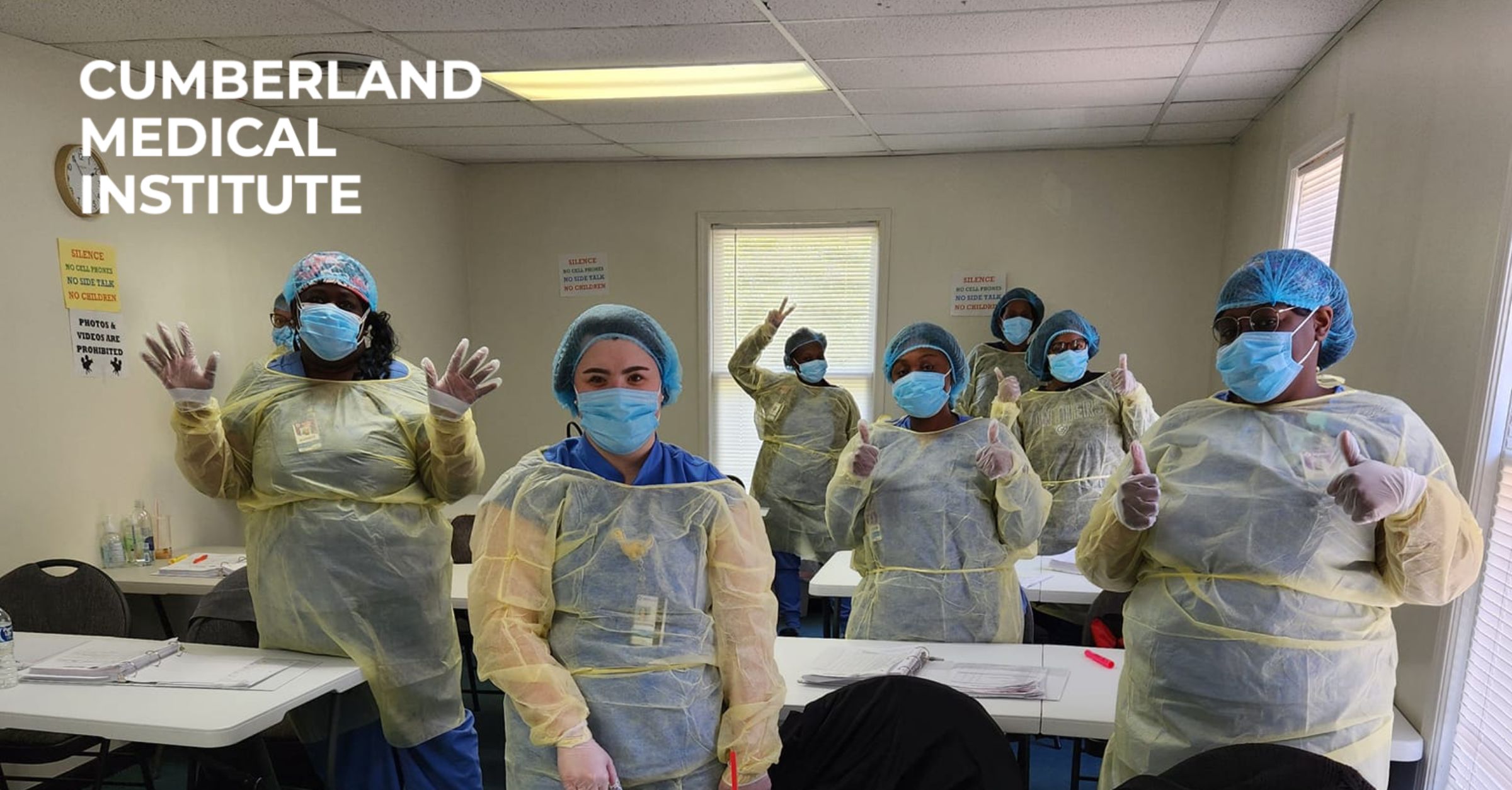
What if you could train for a brand-new healthcare career without quitting your job? That's not a trick question. People across Georgia are doing exactly that. They clock out from work, head to class, and are ready for a whole new career in just 14 weeks. If you've been putting off a career change because of your schedule, keep reading.
The 14 Week Medical Assistant Program in Georgia is built for real people with real responsibilities. You don't have to choose between a paycheck today and a better future tomorrow.
Why So Many Georgians Are Choosing Medical Assistant Training
Healthcare jobs are not going anywhere. Medical assistant roles across Georgia are growing faster than most other fields. Clinics, hospitals, and private practices all need trained professionals who can handle both clinical and front-office tasks.
The best part? You don't need years of schooling to get there. A focused, well-structured program can get you job-ready in a matter of weeks, not years. That's a big deal if you're tired of your current career and want something stable, meaningful, and better paying.
The Real Reason This Program Works for Busy Adults
Most people who enroll in medical assistant training are not fresh out of high school. They're working adults, parents, or caregivers who need a schedule that doesn't blow up their entire life. The program is structured with evening classes so you can keep your day job while you train.
Think about this: 14 weeks is roughly three and a half months. That's less time than most people spend just thinking about making a career change. You show up, put in the work, and walk out with a certification that opens real doors.
The training covers both hands-on clinical skills and administrative tasks. You'll learn how to take vital signs, assist with patient exams, handle medical records, and much more. These are skills Georgia employers actually need right now, and they're hiring.
What a Typical Week Looks Like for Students
Many students work their regular day job, then head to class a few evenings per week. On weekends, they review notes and practice skills. It's not always a walk in the park, but it's very manageable, and students consistently say it's worth every bit of effort.
Class sizes stay small, which means instructors can give each student real attention. You're not sitting in a huge lecture hall, invisible in a crowd. You're in a hands-on setting where you practice real clinical procedures from the very first week.
What the 14 Week Medical Assistant Program in Georgia Actually Covers
The curriculum is practical, current, and directly tied to what employers want. Here's a clear breakdown:
Clinical skills include phlebotomy, EKG interpretation, vital signs, injections, and patient preparation. Administrative skills cover medical terminology, appointment scheduling, billing basics, and electronic health records. Certification prep ensures you're ready to sit for a national certification exam the moment you finish the program.
This combination matters. Georgia clinics don't just need someone who can draw blood. They need someone who can also handle the front desk, communicate clearly with patients, and keep the office running. This program trains you for both sides of the job.
Certified Medication Aide Training in Georgia: A Smart Career Add-On
If you're already a Certified Nursing Assistant or planning to grow steadily in healthcare, Certified Medication Aide Training in Georgia is worth serious consideration. This training qualifies aides to administer medications in long-term care settings, a skill that makes you significantly more valuable to any employer in the field.
Long-term care facilities across Georgia are actively searching for Certified Medication Aides. Adding this credential to your resume can mean higher hourly pay, more job stability, and faster career growth. Many students combine their Medical Assistant training with Medication Aide certification to build a stronger healthcare profile in less time.
Who Should Consider Medication Aide Training?
This training fits CNAs who want to move up without committing to a full nursing program. It also works well for anyone already in a care setting who wants to take on more responsibility and earn more. The training hours are manageable, and the career payoff is real and fast.
Financial Help Is Available for Georgia Students
Cost is usually the first concern people bring up when thinking about going back to school. The good news is that financial assistance options exist for students who qualify. WIOA workforce grants, for example, cover training costs for eligible Georgians who are changing careers or currently unemployed.
Many students end up paying little to nothing out of pocket because of available funding programs. If money has been the main thing holding you back, it's worth a phone call to find out what you qualify for. Once you land a full-time healthcare job in Georgia, the training pays for itself quickly.
Ready to Make a Move? Here's Your Next Step.
If you're serious about making this career move, Cumberland Medical Institute is a great place to start. The school has built a strong reputation for training working adults who want to get into healthcare without years of traditional schooling.
The institute offers the 14 Week Medical Assistant Program as well as Certified Medication Aide Training, both designed to fit realistic adult schedules.
The instructors are healthcare professionals who understand what employers actually want, and the hands-on training format means you graduate prepared, not just certified on paper.
A new career in Georgia healthcare is closer than you think.
Frequently Asked Questions
Q1. How long is the Medical Assistant program in Georgia?
A1. The program runs for 14 weeks, structured around evening classes so students can keep their day jobs. In roughly three and a half months, you can complete your Certified Medication Aide Training in Georgia and be ready to apply for healthcare positions.
Q2. Do I need prior healthcare experience to enroll?
A2. No prior experience is required. The program starts from the ground up and teaches both clinical and administrative skills, making it accessible to career changers from any background.
Q3. What jobs can I get after completing the 14 Week Medical Assistant Program in Georgia?
A3. Graduates work in doctor's offices, outpatient clinics, urgent care centers, and specialty practices. Some also go on to pursue Certified Medication Aide Training in Georgia to expand their options further.
Q4. Is Certified Medication Aide Training in Georgia available alongside the Medical Assistant program?
A4. Yes. Students can pursue both credentials, and many choose to stack them for stronger job prospects and higher starting pay in the Georgia healthcare market.
Q5. What financial aid options are available for medical training in Georgia?
A5. WIOA workforce development grants are one of the most common options for eligible students. Other assistance programs may also be available depending on your income and employment status. Reaching out directly to the school is the fastest way to find out what applies to your situation.

Written by
Jonah Odekhiran RNP
Keep reading
More from the blog
CNA Schools in Dallas GA and Medical Assistant Classes in Dallas GA: Build Your Future in Healthcare
Healthcare professionals play a critical role in supporting patients and improving quality of life. As healthcare services continue to expand, trained professionals are needed in hospitals, clinics, nursing homes, rehabilitation centers, and long-term care facilities.

Where Do Phlebotomists Work? More Places Than You Think
Yes, hospitals hire phlebotomists. That part is true. Large medical centers need blood drawn around the clock, so the demand there is constant. But calling hospitals the only option is like saying pizza is the only food.

Where Can a Medical Assistant Career Take You in 5 Years?
Explore the career growth opportunities available after Medical Assistant Training in Atlanta GA. Learn about specializations, certifications, salary growth, and advancement opportunities in healthcare.