general
Soft Skills That Make a Great CNA (Beyond the Textbook)
Discover the essential soft skills every CNA needs, from empathy and communication to patience and adaptability. Learn how CNA Classes in Marietta GA help students build real healthcare confidence and career readiness.
Technical skills get you certified, but soft skills are what make patients trust you. This blog covers the human side of CNA work that training manuals rarely talk about. From staying calm under pressure to building real connections with patients, these are the qualities that separate a good CNA from a great one. If you're exploring CNA Classes in Marietta, GA, understanding these skills early gives you a real head start in your career.
The Skill That Patients Remember Most
Empathy is not something you can memorize from a textbook. It's the ability to understand what a patient is feeling and respond in a way that makes them feel seen. A patient who just learned they need surgery is scared. A patient who hasn't had a visitor in weeks feels lonely.
A great CNA picks up on these things without being told. Next time you're in a clinical setting, pay attention to how a patient's mood shifts when someone actually takes a moment to acknowledge how they feel. That shift is powerful, and it costs nothing.
Staying Calm When Things Get Hard
Healthcare settings can move fast. A patient's condition can change, a family member can get upset, or a nurse can need help right away. In those moments, the CNA who stays calm and focused is the one everyone relies on. Panic spreads quickly in a medical environment, and so does calm. This doesn't mean hiding your emotions. It means learning to manage them so you can still do your job well under pressure. Students who take CNA Classes in Marietta, GA often say clinical practice helped them build this skill faster than anything else.
Communication Goes Way Beyond Talking
A lot of people think good communication means speaking clearly. That's part of it, but only a small part. Listening without interrupting, reading body language, and knowing when to stay quiet are just as important.
For example, an elderly patient might not say they're in pain directly. They might just get quieter or stop eating. A CNA who pays close attention picks up on those signals early. In addition, clear communication with nurses and other staff members keeps everyone on the same page and reduces mistakes.
Patience Is Tested Every Single Day
Some patients take longer to respond. Some ask the same question multiple times. Some are frustrated and take it out on the people around them. Patience in this work isn't just about being nice. It's about understanding that a person in a hospital bed or care facility is going through one of the hardest times of their life. Rushing them or showing frustration, even slightly, can break their trust. Building patience takes time, but it becomes one of your strongest professional qualities once you develop it.
Reliability Makes You Irreplaceable
Showing up on time, following through on tasks, and being consistent matter more than most people realize. Nurses and supervisors notice very quickly which CNAs they can count on and which ones they have to check on constantly.
Reliability is not glamorous, but it builds your reputation fast. In addition, patients notice too. If you tell a patient you'll be back in ten minutes to help them, and you actually come back in ten minutes, that builds trust in a way that no clinical skill can replace.
Other reliability habits that make a real difference:
- Completing patient documentation accurately and on time
- Reporting changes in a patient's condition without waiting to be asked
- Following care instructions exactly as given
- Being ready to help teammates without needing to be prompted
Adaptability Keeps You Relevant
No two shifts are the same. Plans change, patients change, and priorities shift constantly. A CNA who can adjust quickly and keep a positive attitude through those changes is genuinely valuable.
For instance, you may be asked to transfer a patient whom you were supposed to attend, or a new admission may occur during the last hours of your working shift. Being flexible in such situations demonstrates maturity and professionalism. It would help individuals interested in joining a 14 Week Medical Assistant Program in Georgia, since the process of education is similar to that of actual practice.
Real Questions From CNA Students, Answered Honestly
Q1. Do soft skills really matter as much as clinical skills for a CNA?
A1. Yes, they matter just as much, sometimes more. Clinical skills get you through the exam, but soft skills determine how well you actually do the job. Patients and families remember how you made them feel far more than the specific tasks you performed. Employers notice this too during interviews and probation periods.
Q2. Can soft skills be learned, or are they something you either have or don't?
A2. Of course, it is possible to improve your soft skills. People may tend to be more empathic or patient by nature, yet soft skills can be developed and perfected over time with practice. The clinical hours during your CNA education program will be the best starting point.
Q3. How do I handle a patient who is rude or aggressive?
A3. Stay calm and don't take it personally. Most of the time, a difficult patient is reacting to pain, fear, or frustration, not to you specifically. Speak in a low, steady voice, give them space if possible, and let your supervisor know if the behavior continues. Never respond with frustration of your own.
Q4. How can I effectively develop my communication abilities prior to enrolling in CNA classes?
A4. Engage in active listening during your daily interactions. Concentrate on comprehending the speaker's message and then formulate your answer. Volunteering at a healthcare institution is also an excellent method for practicing your communication skills before your CNA training officially commences.
The Skills You Build Now Will Follow You Everywhere
Soft skills don't expire. They grow stronger the more you use them and transfer across every healthcare role you take on. Start paying attention to how you listen, how you respond under pressure, and how consistent you are, even before you're certified. These habits build your professional reputation faster than you'd expect.
Cumberland Medical Institute helps you develop both clinical and personal skills, so you are prepared for real healthcare work. Hence, choose CNA Classes in Marietta, GA for hands-on, people-focused training that builds genuine confidence and real career readiness.
Written by
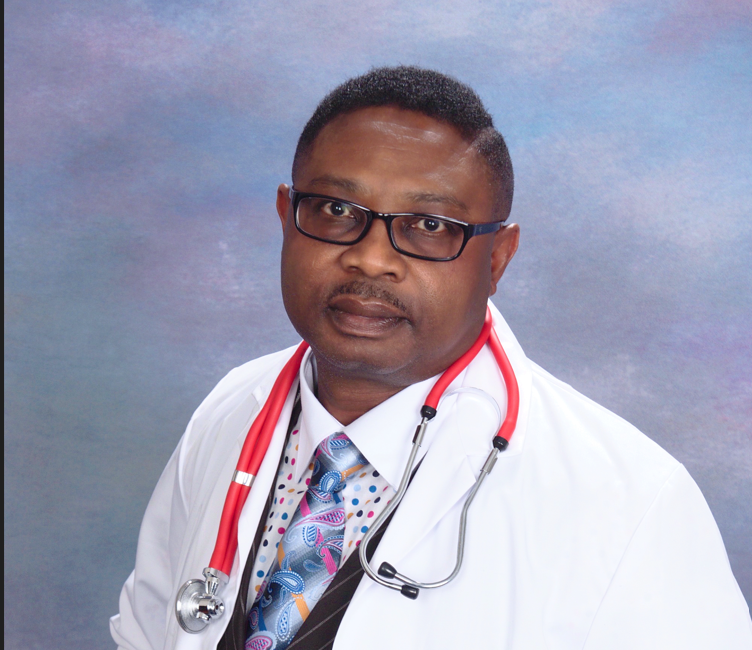
Jonah Odekhiran RNP
Keep reading
More from the blog
CNA Schools in Dallas GA and Medical Assistant Classes in Dallas GA: Build Your Future in Healthcare
Healthcare professionals play a critical role in supporting patients and improving quality of life. As healthcare services continue to expand, trained professionals are needed in hospitals, clinics, nursing homes, rehabilitation centers, and long-term care facilities.
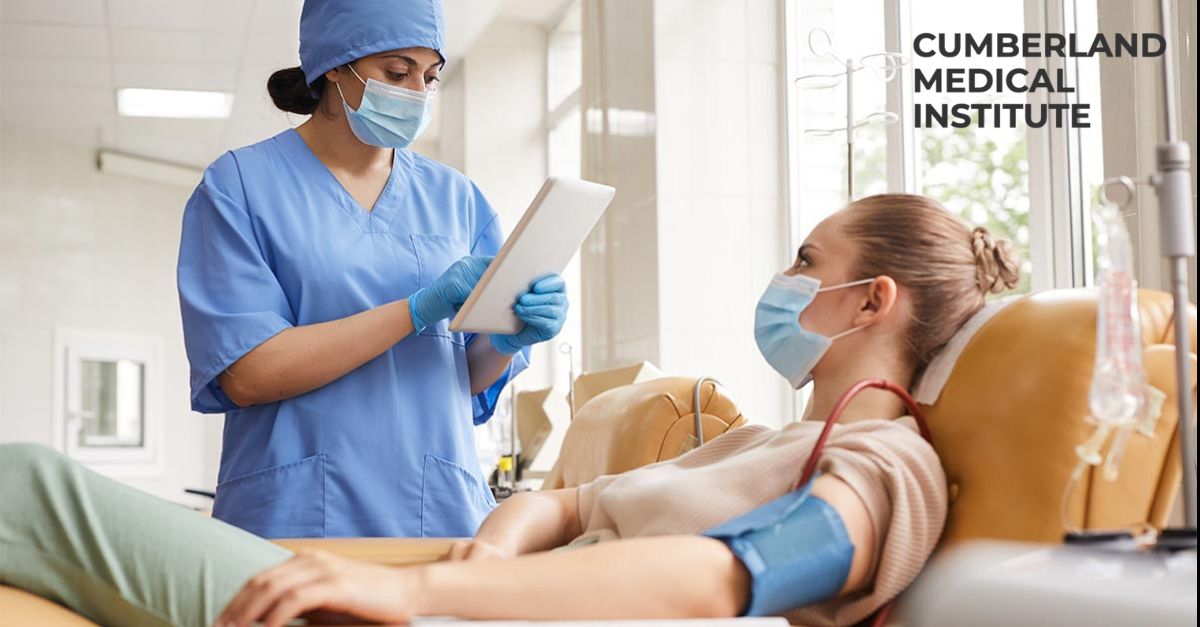
Where Do Phlebotomists Work? More Places Than You Think
Yes, hospitals hire phlebotomists. That part is true. Large medical centers need blood drawn around the clock, so the demand there is constant. But calling hospitals the only option is like saying pizza is the only food.

Where Can a Medical Assistant Career Take You in 5 Years?
Explore the career growth opportunities available after Medical Assistant Training in Atlanta GA. Learn about specializations, certifications, salary growth, and advancement opportunities in healthcare.