marketing
Where Do Phlebotomists Work? More Places Than You Think
Yes, hospitals hire phlebotomists. That part is true. Large medical centers need blood drawn around the clock, so the demand there is constant. But calling hospitals the only option is like saying pizza is the only food.
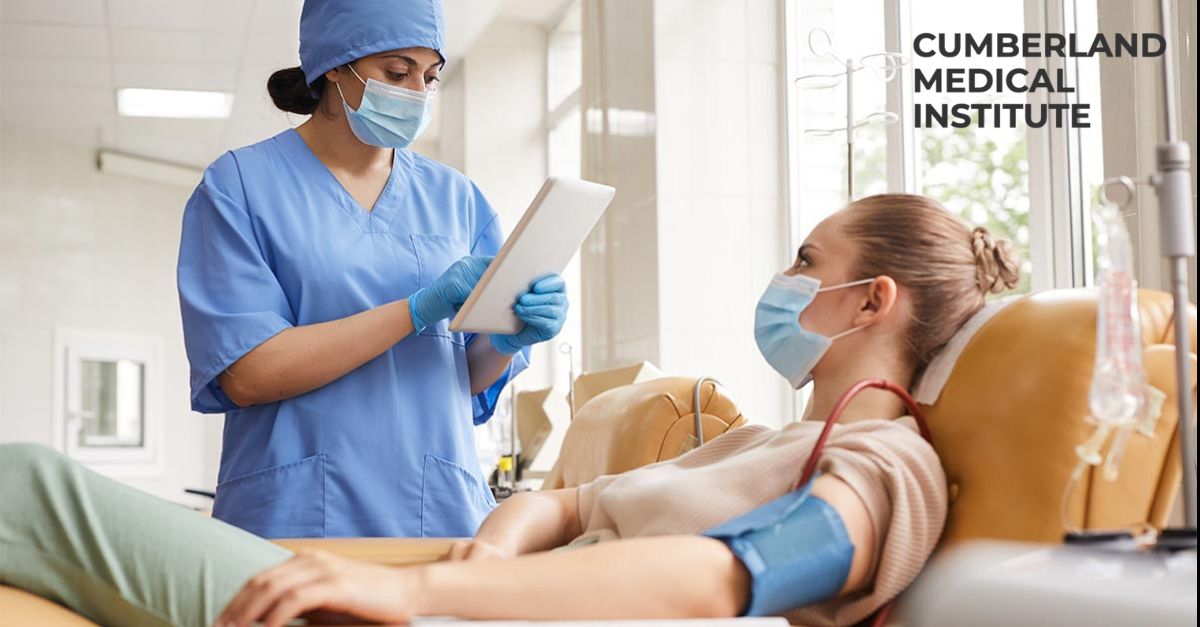
Only about 30% of phlebotomists in the U.S. work inside hospitals. The rest? They are spread across dozens of other settings, many of which pay well and offer flexible hours. If you have been considering Phlebotomy Training in Atlanta, GA, this might change how you see the career entirely. A lot of students assume phlebotomy is a narrow field. The reality is actually the opposite.
Hospitals Are Just the Beginning
Yes, hospitals hire phlebotomists. That part is true. Large medical centers need blood drawn around the clock, so the demand there is constant. But calling hospitals the only option is like saying pizza is the only food. Next, think about all the other places where blood work happens every single day, and you start to see a much bigger picture.
Independent Diagnostic Labs
This is actually one of the biggest employers of phlebotomists in the country. Companies like Quest Diagnostics and LabCorp operate hundreds of collection sites across Georgia and the rest of the U.S. These labs process millions of samples a year and need trained phlebotomists at every collection location. The pace is steady, the hours are often predictable, and the work is very focused on technical skill.
Doctor's Offices and Private Clinics
A huge number of phlebotomists work in outpatient settings like family medicine clinics, specialty practices, and urgent care centers. In these offices, phlebotomists often do more than just draw blood. They may assist with other clinical tasks, help with patient intake, or support the medical assistant on staff. In addition, the environment tends to be less hectic than a hospital, which many people actually prefer.
Blood Donation Centers
Organizations like the American Red Cross and other blood banks rely heavily on phlebotomy-trained staff. The job here is slightly different since donors are healthy volunteers, not patients. Still, the technical skills are the same. These roles often come with consistent scheduling and a mission-driven work environment that appeals to a lot of people entering healthcare.
Settings That Surprise Most People
Here is where it gets interesting. Phlebotomists also work in places most students never think about when they first start training:
- Correctional facilities, where inmates receive regular health screenings
- Mobile blood draw units that travel to nursing homes, corporate offices, and community health events
- Insurance companies that require medical exams and lab work for policy applicants
- Military bases and veterans' health clinics
- Home health agencies, where phlebotomists visit patients who cannot leave their homes
Each of these settings has a different pace, a different patient population, and a different experience. For someone who wants variety, the options are genuinely wide open.
Long-Term Care Facilities and the Medication Aide Connection
Nursing homes and assisted living facilities also employ phlebotomists regularly. Residents in these facilities need routine lab work done without being transported to an outside clinic. This is also where the world of phlebotomy overlaps with other healthcare roles.
For example, some facilities prefer staff who hold more than one certification. People who have completed Certified Medication Aide Training in Georgia alongside phlebotomy training become especially attractive candidates in long-term care settings. Two certifications in one person means more flexibility for the facility and better pay for the worker.
Corporate and Occupational Health Settings
Large companies with on-site health clinics often hire phlebotomists as part of their occupational health teams. These roles involve pre-employment drug testing, routine employee health screenings, and injury-related bloodwork.
The environment is professional, the hours are often standard business hours, and the stress level is typically lower than in a clinical setting. It is a side of phlebotomy that most training programs do not spend much time talking about, but it is very real and growing.
Research Labs and Universities
Academic medical centers and research institutions also need phlebotomy-trained professionals. Clinical trials, for example, require blood draws at multiple stages from study participants.
Phlebotomists in these roles work closely with researchers and lab scientists, and the work is detail-oriented. For someone who enjoys a more structured and intellectually interesting environment, this path is worth knowing about.
Everything You Wanted to Ask But Did Not Know Where to Start: Phlebotomy Career FAQs
Q1: Do phlebotomists need a different certification for each work setting?
A1: No. One phlebotomy certification covers you across most work settings. Some employers may require specific training for their environment, but a standard CPT certification is widely accepted.
Q2: Can a phlebotomist work part-time or on a flexible schedule?
A2: Yes, many settings offer part-time, per-diem, or weekend-only positions. Independent labs and blood donation centers in particular tend to have flexible scheduling options.
Q3: How much can a phlebotomist earn in Georgia compared to the national average?
A3: Georgia phlebotomists typically earn between $16 and $22 per hour depending on experience and setting. That range is competitive and often increases with added certifications or specializations.
Q4: Is phlebotomy a good job for someone who does not like hospital environments?
A4: It is actually a great fit. Most phlebotomy jobs exist outside hospitals, in clinics, labs, long-term care, and corporate health settings. There are plenty of options for people who prefer a calmer work pace.
Q5: Can a phlebotomist move into other healthcare roles without starting over?
A5: Absolutely. Many phlebotomists transition into medical assisting, patient care technician roles, or even nursing programs. The clinical experience and patient interaction skills carry over directly.
One Certification, Many Doors: Here Is What to Do Next
The idea that phlebotomists only work in hospitals is one of the biggest myths in allied healthcare. The real list covers hospitals, labs, clinics, long-term care, mobile units, research centers, and corporate health programs. That range means more job options, more flexibility, and a career that can grow in several directions.
Cumberland Medical Institute offers a 6-week Phlebotomy Technician program priced at $2,700, with evening class options built for working adults. The school also offers Certified Medication Aide Training in Georgia and other healthcare programs for students who want to build more than one credential.
For anyone seriously exploring Phlebotomy Training in Atlanta, GA, Cumberland Medical Institute is a practical, affordable starting point that has already helped many students move from training to employment.
Written by
Jonah Odekhiran RNP
Keep reading
More from the blog
CNA Schools in Dallas GA and Medical Assistant Classes in Dallas GA: Build Your Future in Healthcare
Healthcare professionals play a critical role in supporting patients and improving quality of life. As healthcare services continue to expand, trained professionals are needed in hospitals, clinics, nursing homes, rehabilitation centers, and long-term care facilities.

Where Can a Medical Assistant Career Take You in 5 Years?
Explore the career growth opportunities available after Medical Assistant Training in Atlanta GA. Learn about specializations, certifications, salary growth, and advancement opportunities in healthcare.
What Makes a Good CNA Program? A Checklist for Prospective Students
Explore CNA Class Dallas GA and the 14 Week Medical Assistant Program Georgia at Cumberland Medical Institute. Gain hands-on healthcare training and prepare for rewarding medical careers.